Genoa
We are not here to push a data center
onto a town that does not want one.
We are looking at land on State Route 163, 1.2 miles (2 km) from the village. Nothing is designed around Genoa yet. If the answer is no, there is no project.
What we would like to hear.
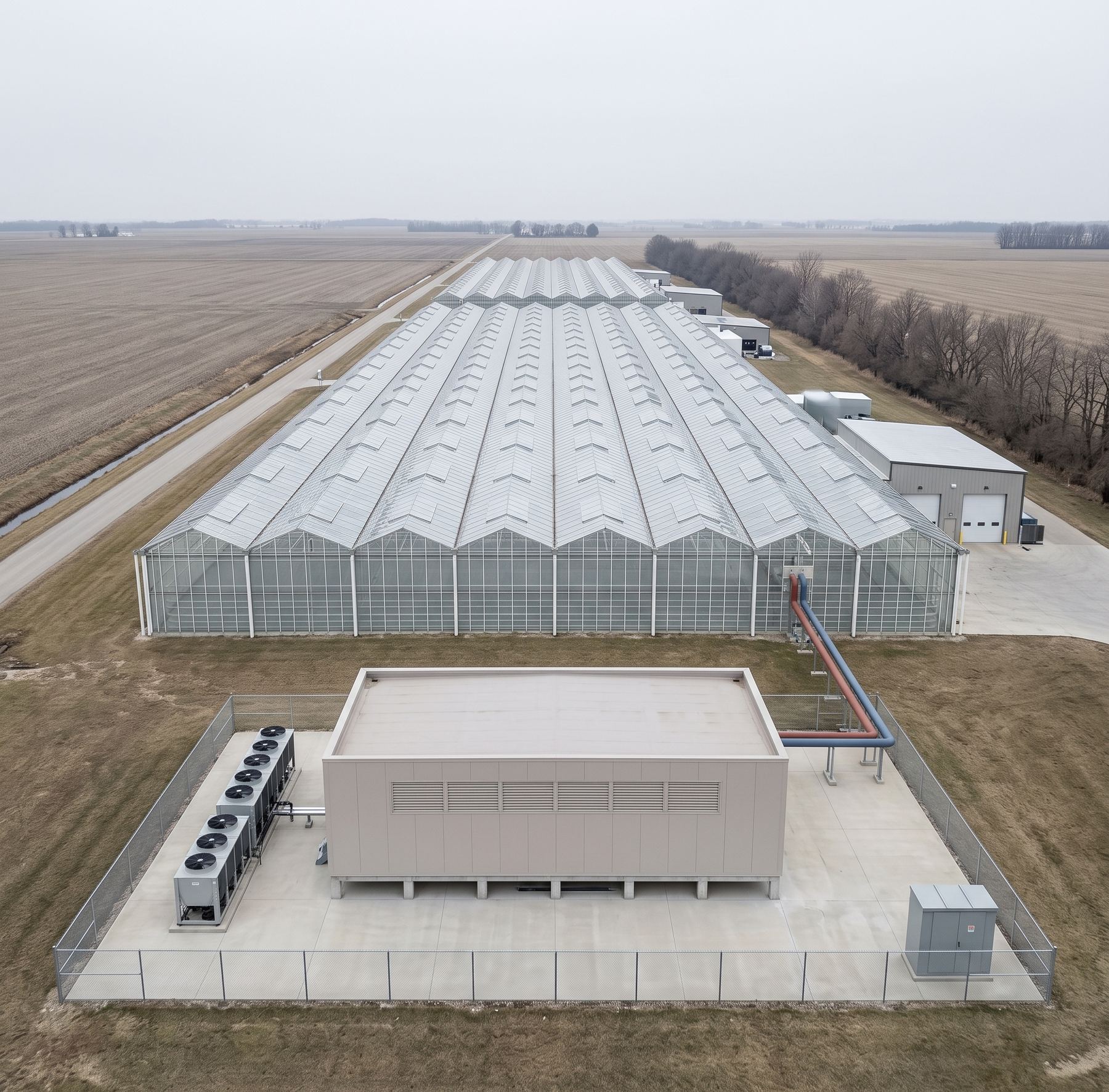
We are a data center company, and we are trying to change how a data center shows up in a community. Our data centers use a closed loop, liquid cooled technology which results in quiet infrastructure that draws nothing from the village water supply. A byproduct of our data centers is free heat and cooling that can be used for other business operations. Before we decide anything, we want to hear from Genoa.
- What the village wants, and what it needs.
- The plan Genoa already has for itself, and where we fit inside it.
- Which uses of free heat and cooling would make the most difference, and for whom.
Trust comes first, not last.
No decision gets made before the village and its elected representatives have had a real say. Nothing happens behind closed doors.
- This Community Conversation is an agreement for everyone to see, with nothing behind closed doors.
- No decision before the village and its elected representatives have had a real say.
- If the answer from Genoa is no, then it is no. We do not need to build here.
A place to learn, test and build.
One compute building on the Genoa Industrial Park, on land already zoned M-4, where data centers are a permitted use. No rezoning is needed.
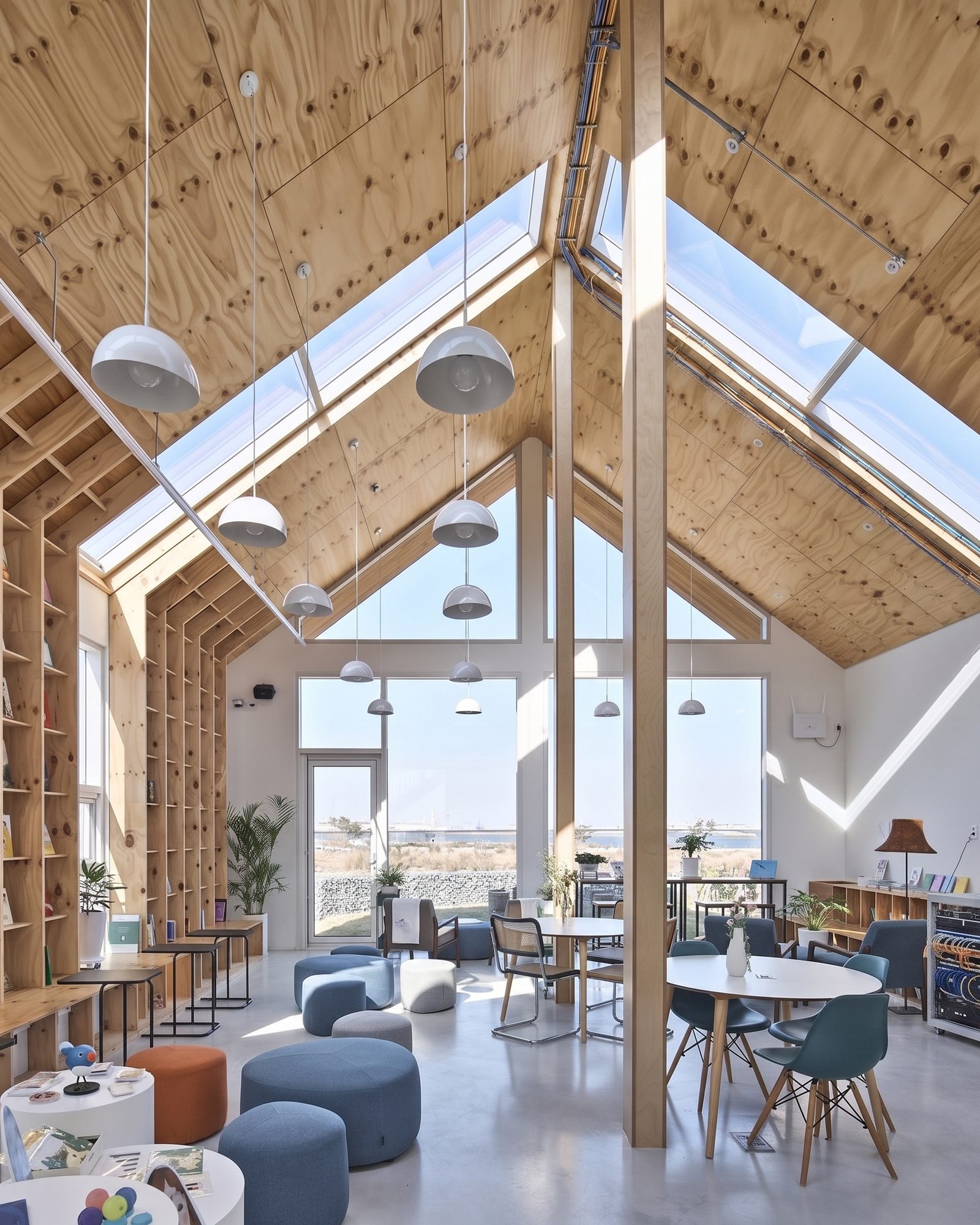
Beside it we want a research and training center with an open invitation to students and faculty: a place where local people train into the skilled roles the site needs, where new heat and cooling technology is tested on a working plant, and where the work stays in Ohio.
- Skilled local roles, trained and filled here first.
- Students and faculty invited to research on a working site.
- The benefit to the village sits beside the campus, tied to the heat the site produces.
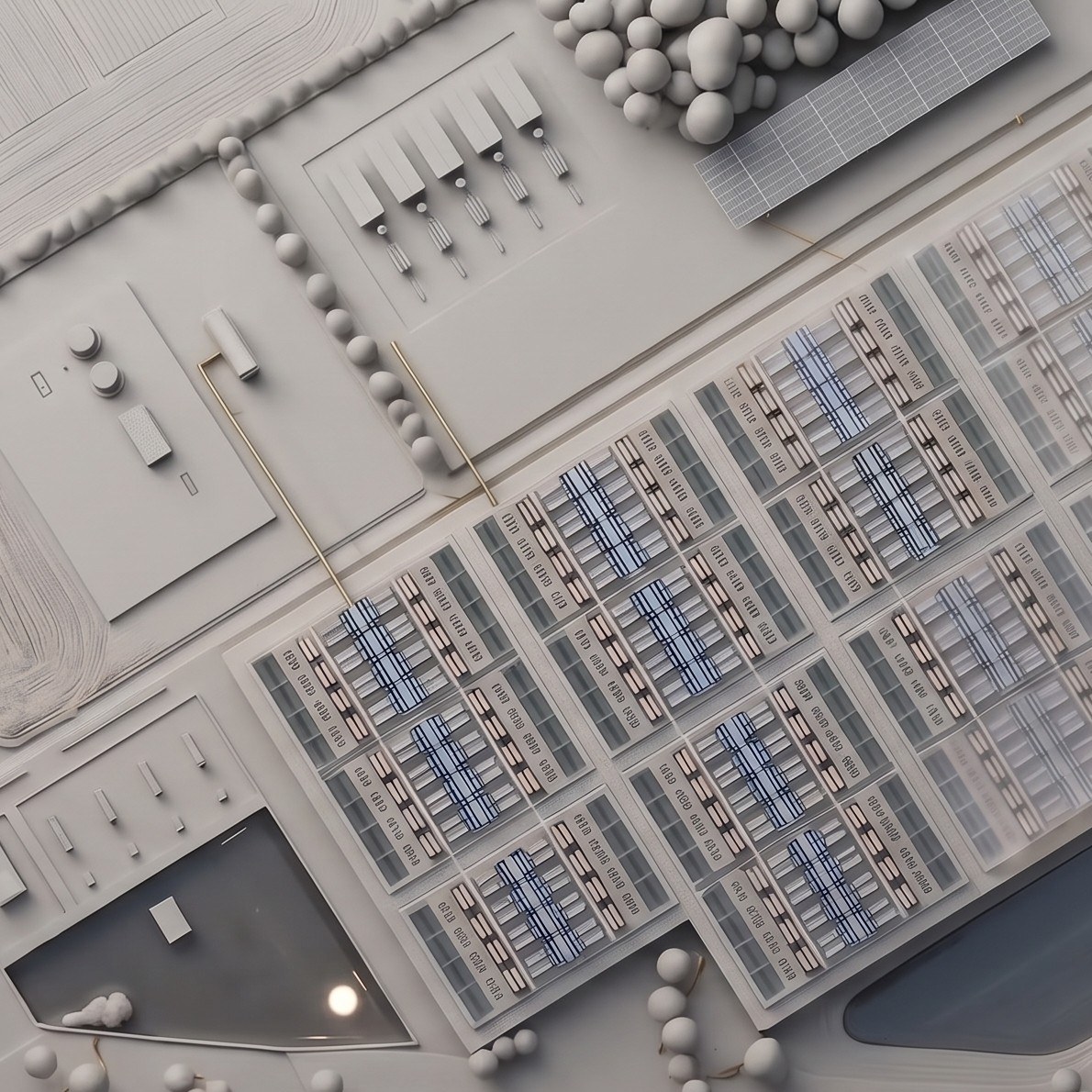
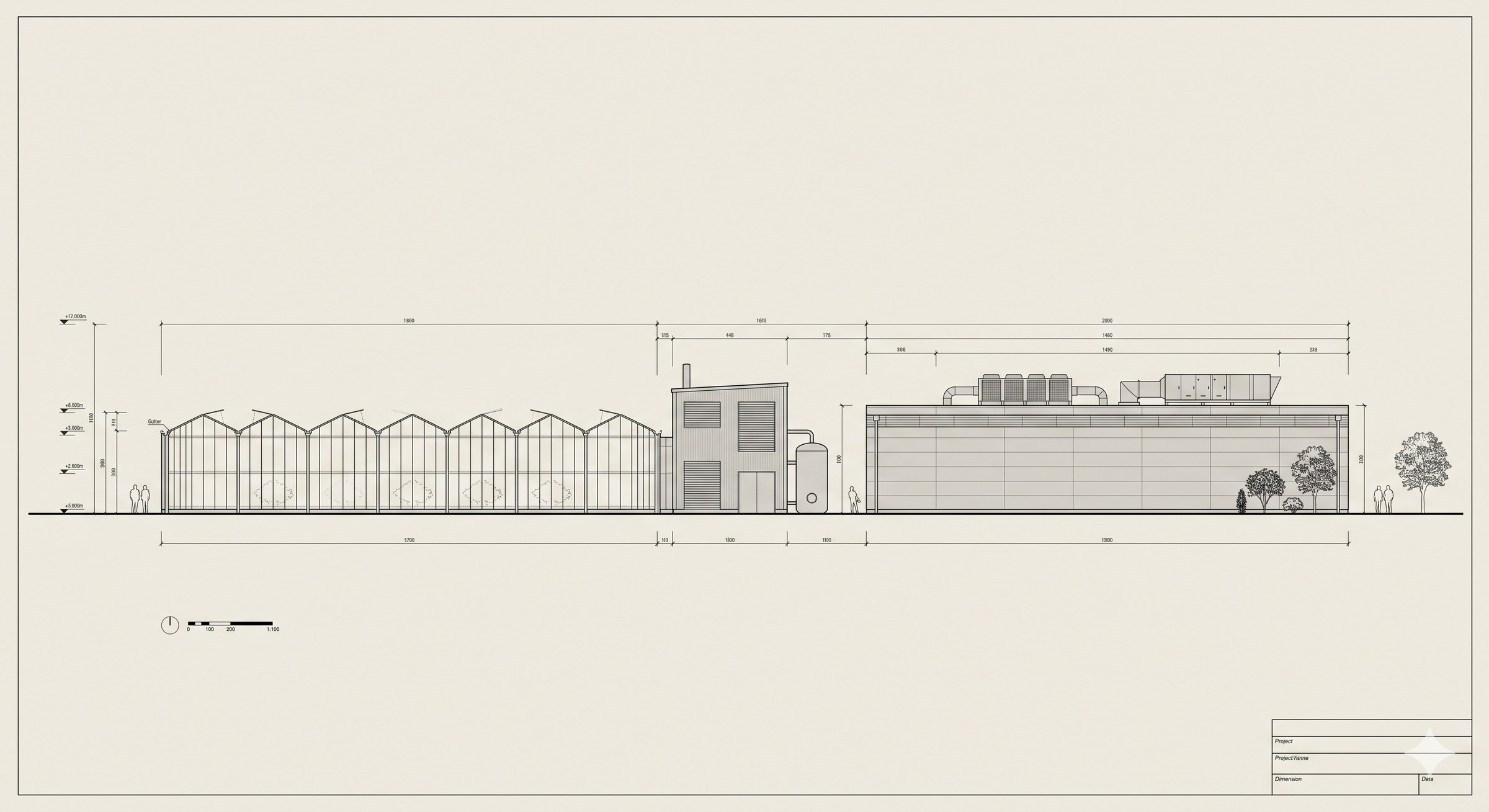
The drawing below is the whole thing in two boxes. One holds the computers. The other holds the pumps, pipes, heat exchangers and switchgear that move the warmth away.
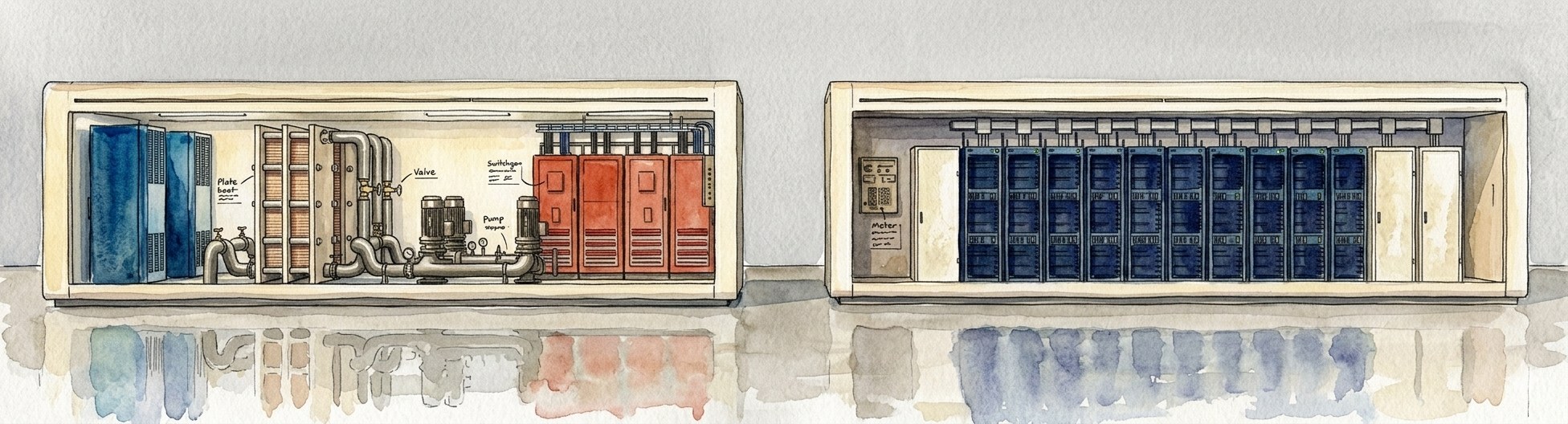
The MicroLink pod: one box of computers, one box of plant.
We say pod because it is the easy word. Each one is really a small power and cooling plant, built to run for years.
More about heat than anything else.
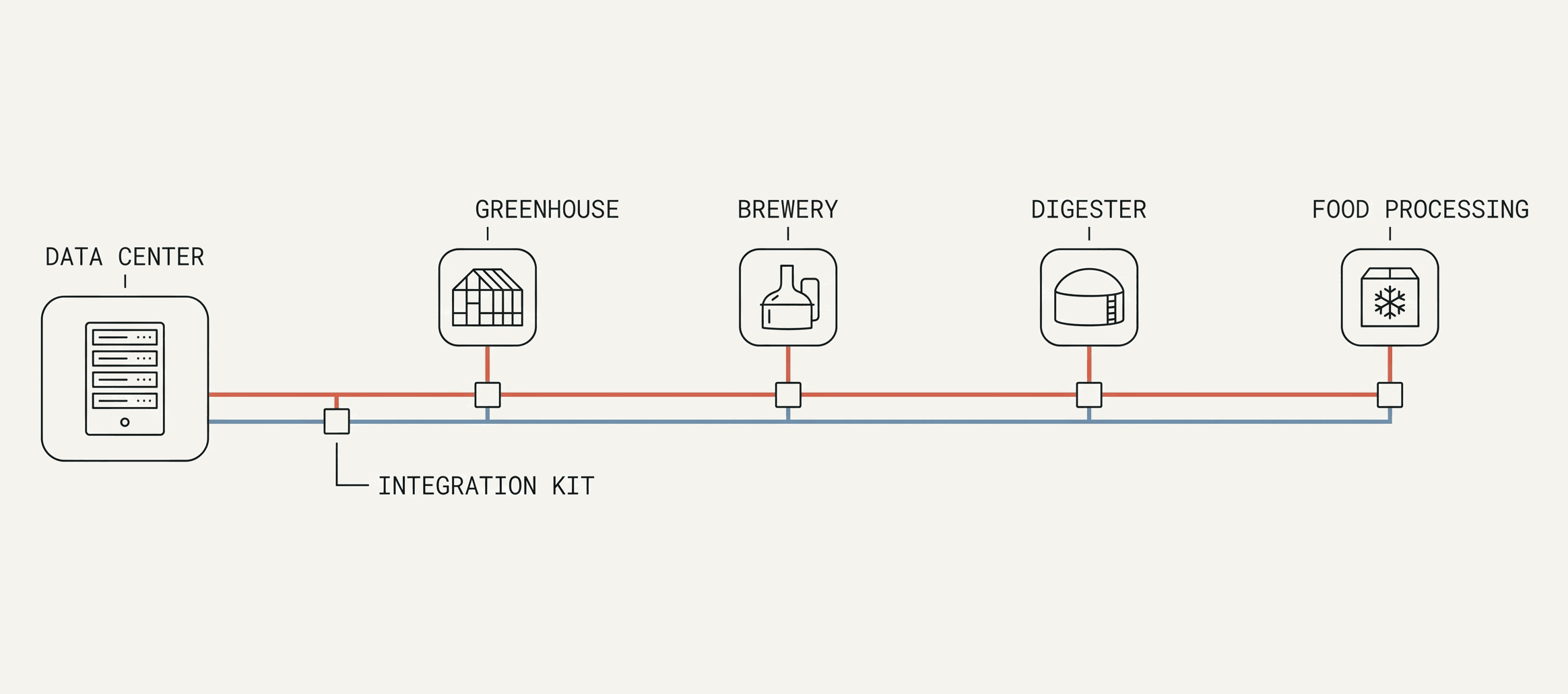
Most of what MicroLink does comes down to moving heat and putting it to use. The compute building makes warm water at 131°F (55°C) and chilled water at 45°F (7°C), continuously. What that gets used for is the question we want to answer with the village.
- The known: a 12.4 acre (5.0 ha) glasshouse farm growing food on free warmth.
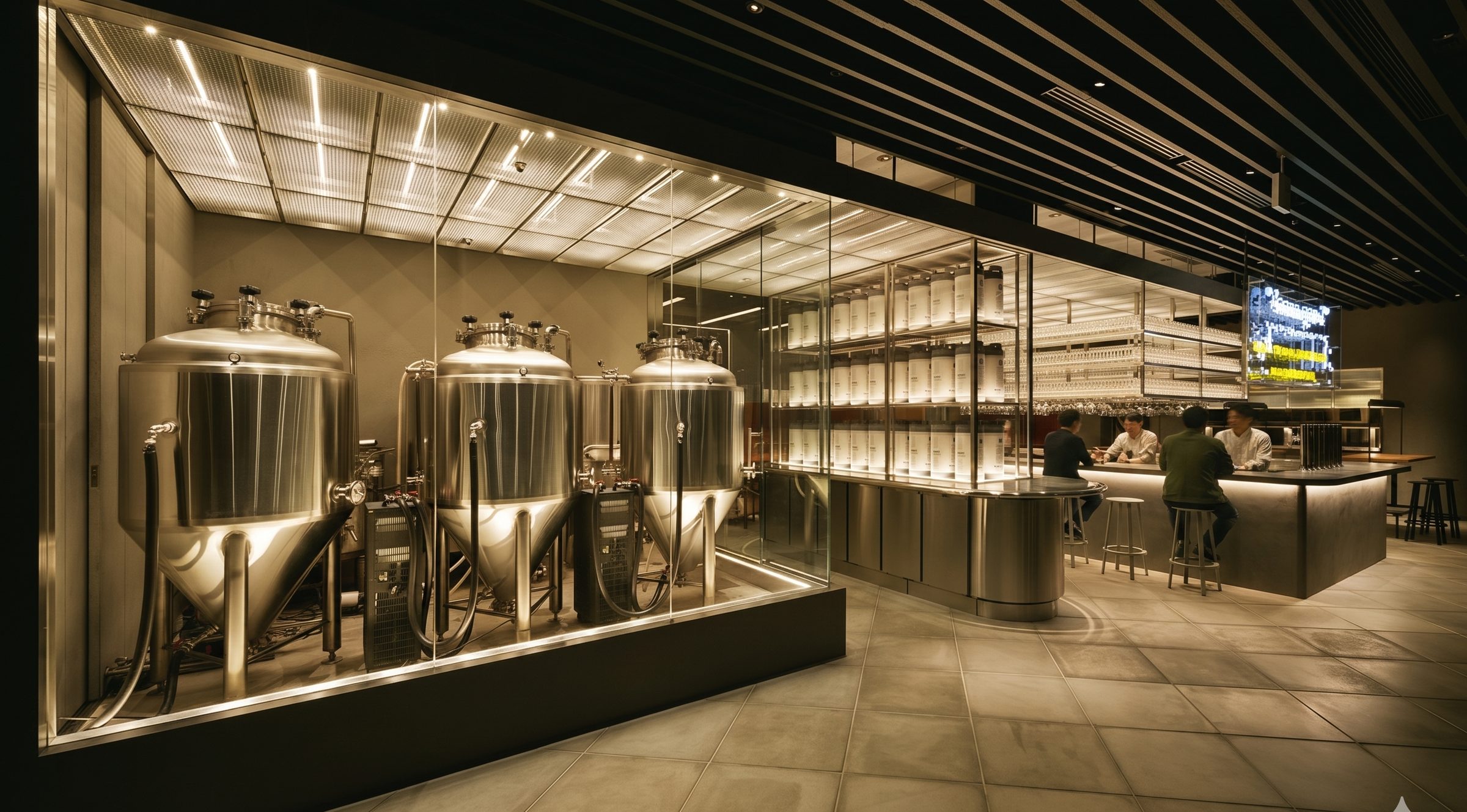
- The options: support for the village wastewater plant, district heating, a brewery, cold storage, aquaponics, and farm waste turned into renewable gas.
- The backstop: dry coolers take whatever the village does not use, so nobody is on the hook.
- How we decide: size each option with the village and look at the most useful first.
We would not run these things
from far away.
A community foundation
Chosen with the village to hold community money and keep it working for Genoa.
Colleges and career centers
The schools around Genoa and Toledo that already train local people for skilled work, tied to real jobs here.
Genoa’s own groups
The village organizations already at work in Genoa, invited to shape the benefits with us.
Nothing moves without the community’s say.
These are not nice words. They are the rules we are asking to be held to.
- Hold Community Conversations with the village council, Ottawa County and residents, and openly share outcomes.
- No confidentiality on any terms that affect the community.
- A community advisory board, funded so it has real teeth and its own independent advisors.
- Every promise written down, with what happens if we fall short, and reported publicly each year.
- A dedicated feedback channel staffed by a real person to handle concerns or negative impacts on the community.
- Community Conversations continue over the years as community needs evolve.
We are at the very beginning.
There are no approvals, no plans filed, and nothing built. Today is about listening.
Each step only happens if the one before it earns the community’s support.
Where the power comes from.
The first 30 MW comes over the existing 69 kV service already on the industrial park.
- The first 30 MW on the existing 69 kV line, with no new service needed to start.
- The rest made on site, so it would not raise anyone’s household electricity bill.
- The power would run as cleanly and quietly as the technology allows.
Kept quiet, on purpose.
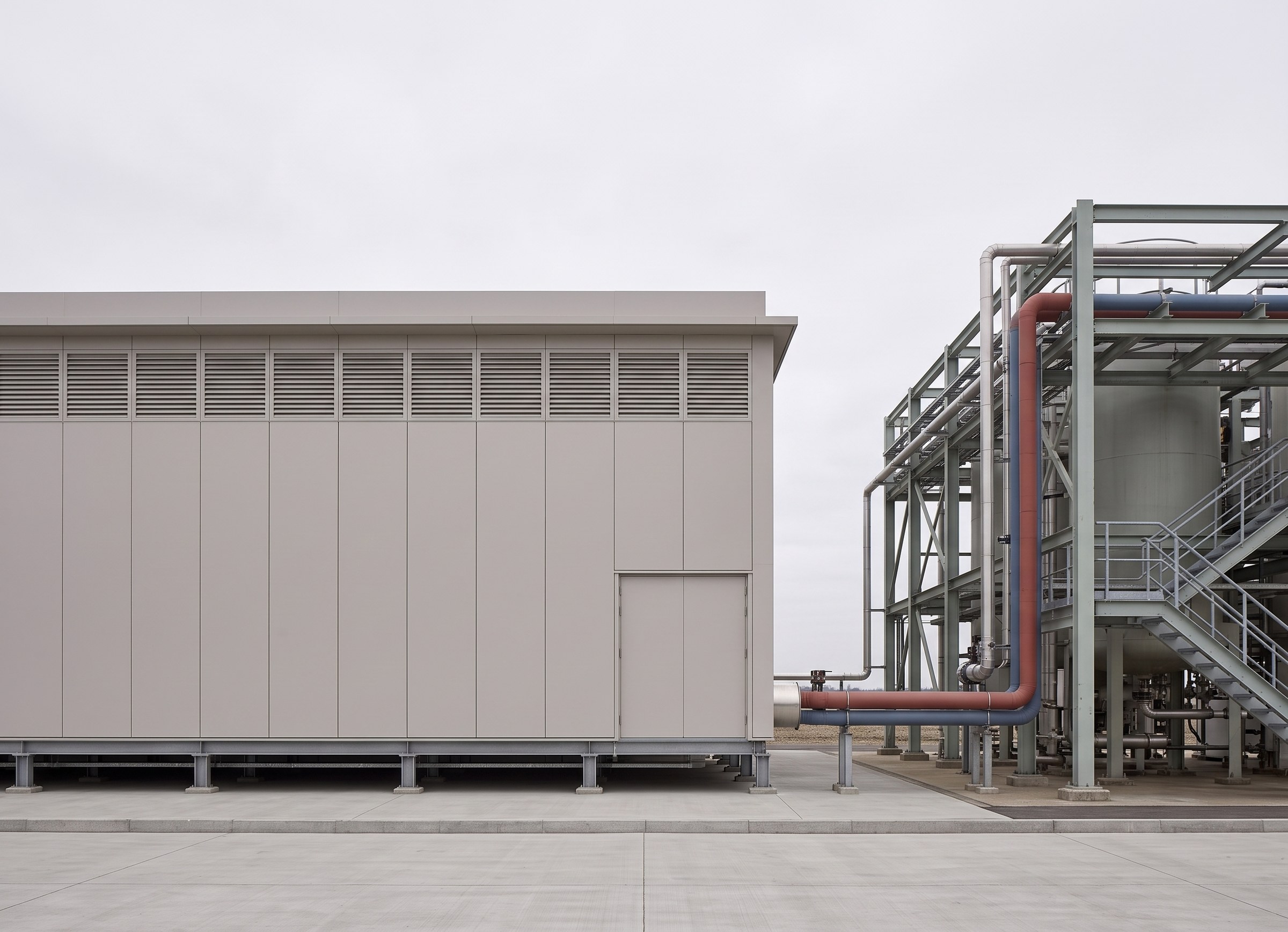
We treat noise as a problem to solve in the design, not a fact to make you live with.
- The power generating equipment would sit inside sound attenuating enclosures.
- A noise survey first, done with the village, before any limit is set.
- We would set the limit at the property line so that, at the nearest homes, the project sits within the background sound already there, day and night.
- We would measure it, publish the readings, and be bound to change if they run too high.
Honest about the footprint,
and built to shrink it.
A project like this has a real environmental footprint, and we would rather be straight about it than gloss over it.
- Recovered heat displaces about 28,000 tons (25,400 tonnes) a year of gas burning.
- Emissions controlled to the strictest standards and monitored continuously, with the readings made public.
- No evaporative water on the cooling loop and no draw on the village supply. Light kept low and shielded, and set with the village.
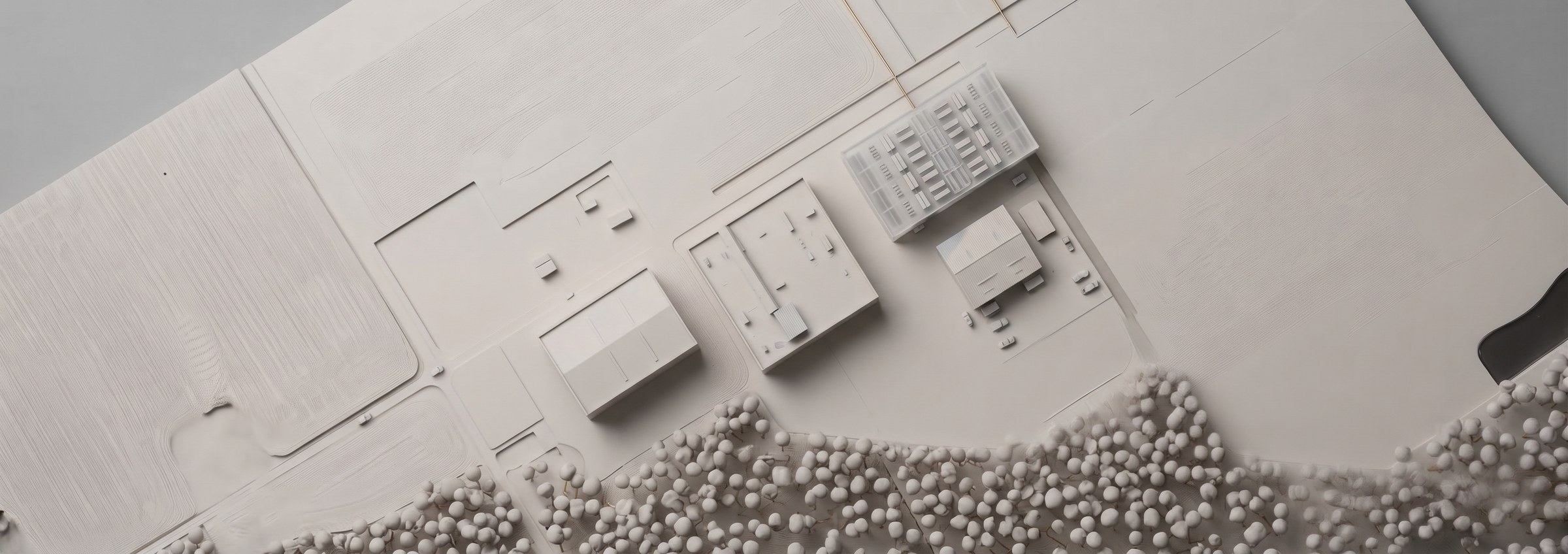
Built around the land, not over it.
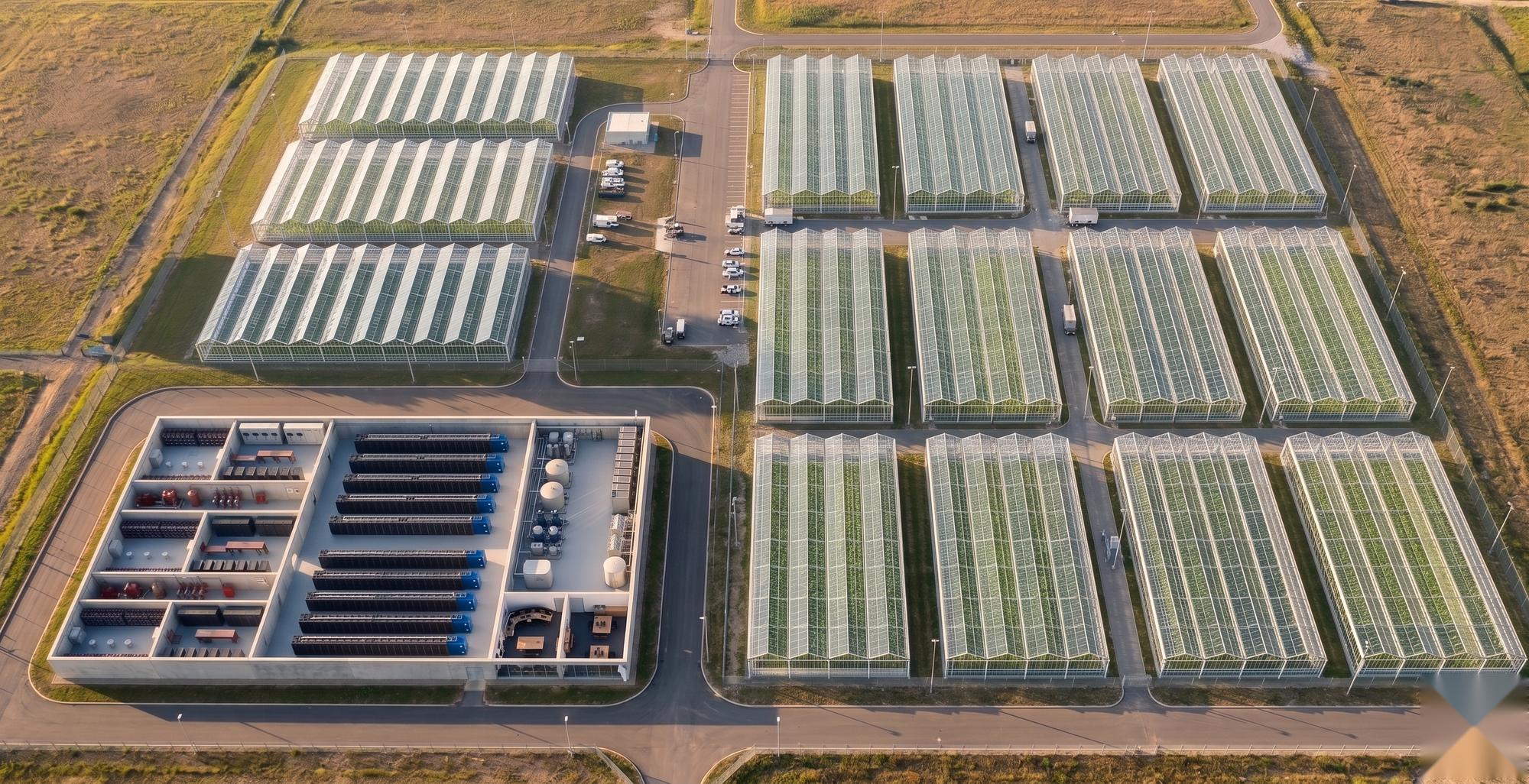
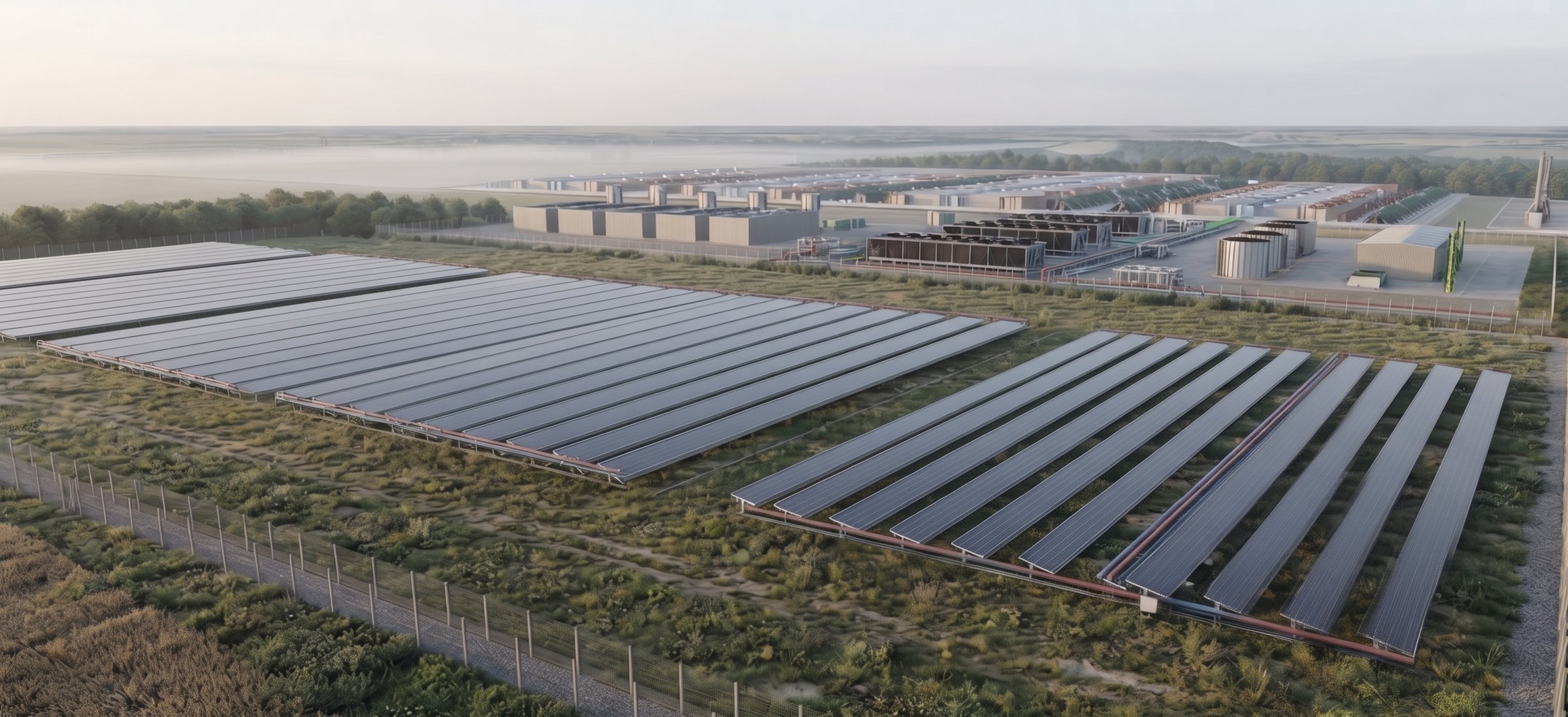
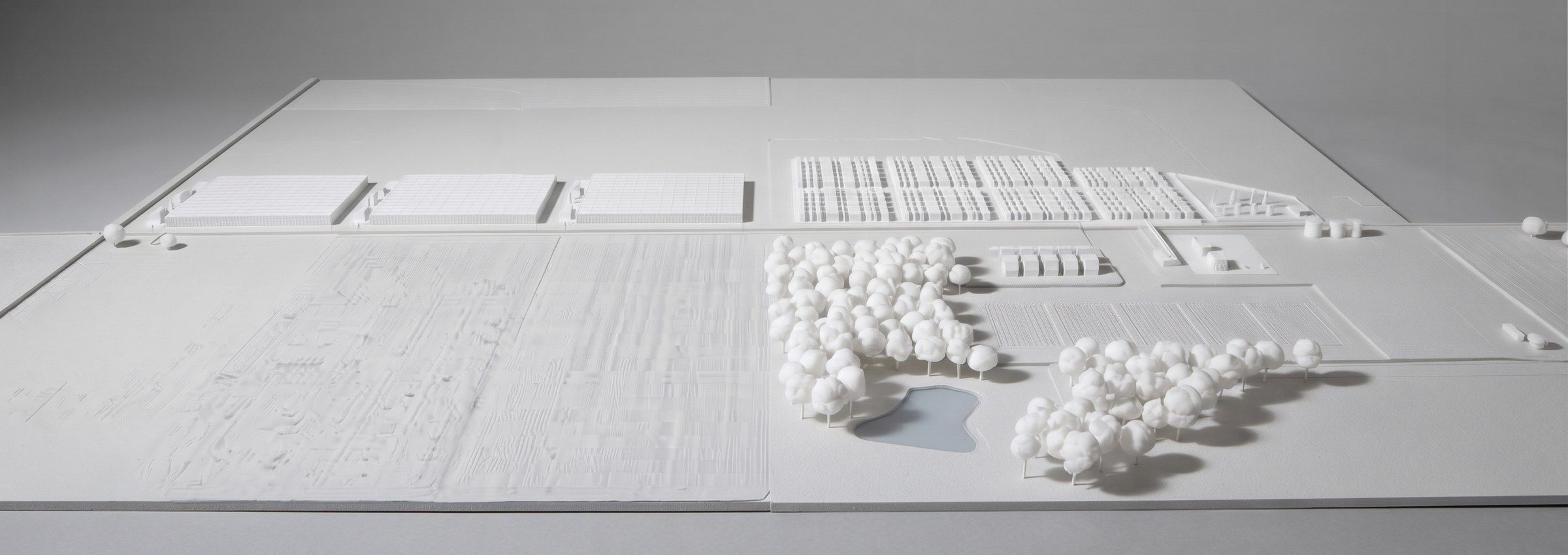
Phase I is 424.5 acres (171.8 ha) of a 882 acre (356.9 ha) property on State Route 163, between Billman and Reiman Roads. The compute block takes 34.3 acres (13.9 ha). Most of the rest goes to glasshouse farms, heat recovery and open ground.
- Compute east of the Reiman Road column. Glass, heat and the digesters west of it, closest to the village.
- Tree lines and setbacks between the site and the nearest homes.
- Land we do not build on kept as field and buffer, open to the village where we can.
How big it would be,
shown honestly.
Scale is the thing people are usually asked to take on trust, so we would rather not ask. What gets built gets measured, reported honestly and audited regularly, and published whether the numbers flatter us or not. As the plan takes shape we will show the exact footprint. Phase One is one 50 MW block. Built out over time, the site could reach 400 MW. Genoa is only being asked about Phase One today. Future builds will require new approval.
We are exploring the possibility of expanding this to 800 MW, only with community support.
Share a comment or an idea.
Every comment is read, and the things we hear most will shape what comes next. You do not need to support the project to take part. Disagreement is welcome and useful.
Your name (optional)
Your comment, question, or idea
Send it inForm is a placeholder · to be connected before launch
Come to a meeting
Open community sessions where you can ask anything and hear from the people behind the project. Dates to be posted here.
Write to us directly
Prefer to put it in your own words, privately. A contact address will be listed here before launch.
Bring a group
Churches, clubs, schools, and neighborhood groups can ask us to come and speak with you, on your terms.
Let’s talk.
Come to a meeting and tell us what matters most. Hard questions are welcome.
Sit down with us early, and often, with nothing off the table.
Help us understand the town and shape the benefits so they actually land.
$147 million,
in plain terms.
$42M is already on record. Beside it we would build about $147M of plant and buildings that are not the computer. This is not a finished offer. It is our starting point, and we would like to hear from Genoa what is needed and how it could be done.
Power $58M, farm $50M, land $20M, thermal plant $19M. The cold store sits on top and is not yet costed.
A place to learn the work,
and start your own.
This is the front door to the site, the part that opens to the village. It is where local people train into the skilled roles the site needs, where students and faculty are invited to research on a working plant, and where anyone with an idea can start a business on the free heat the site gives off. The hardest part of starting, the space and the power, is covered.
- Training into real, skilled roles in the work happening on site, taught here and filled here first.
- Space and free heat for local people to start a business, with the costly part of starting covered.
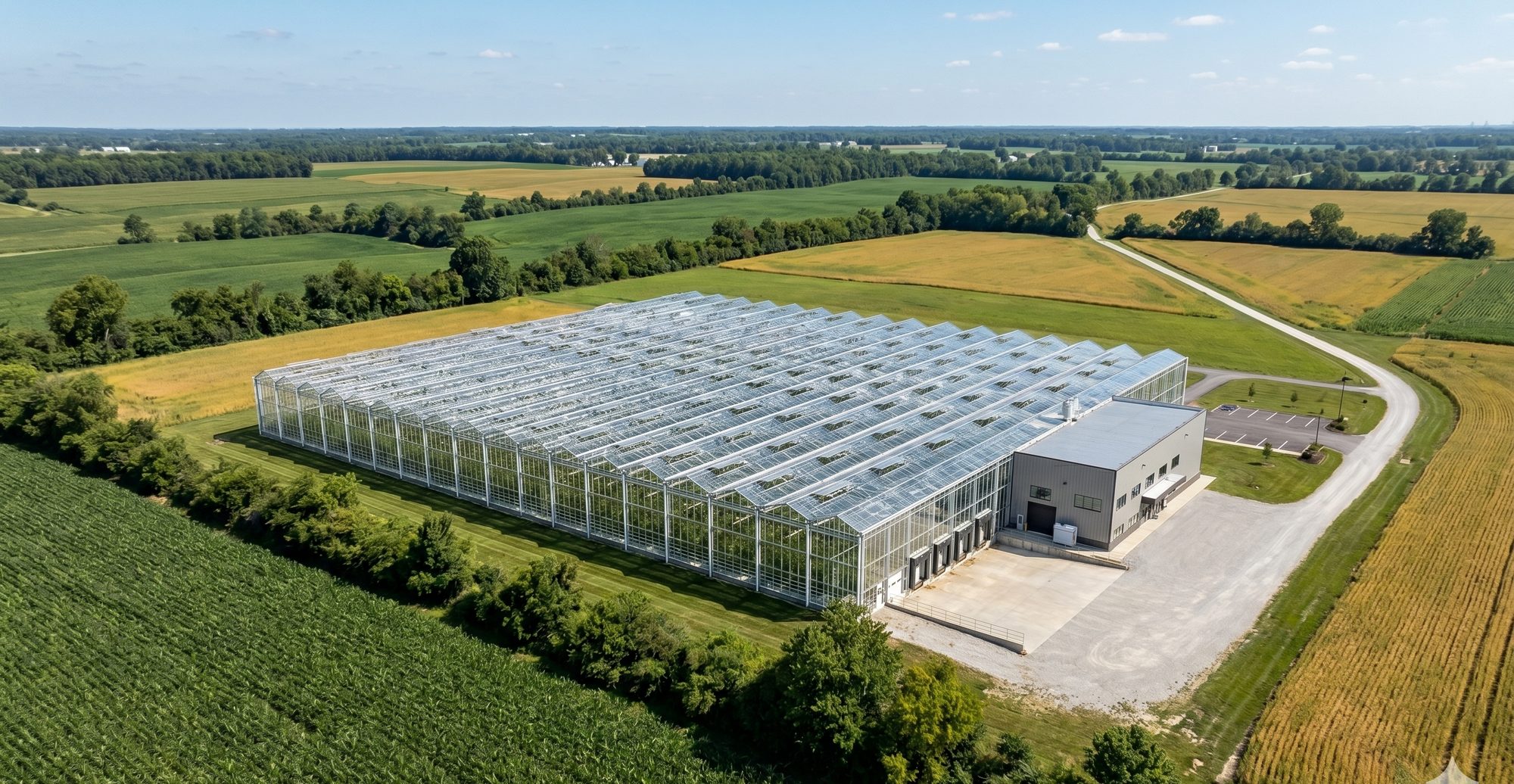
A glasshouse farm on free warmth.
A 12.4 acre (5.0 ha) Venlo glasshouse beside the compute building, heated by warmth the site would otherwise send to its dry coolers. 4,400 to 5,500 tons (4,000 to 5,000 tonnes) of food a year and 50 to 75 local jobs. The farm is ours to build and is rented to an operator who runs it. Genoa chooses that operator together with MicroLink.
- Warmth supplied free, so the food stays affordable.
- Growing all year, not only through the summer.
Fresh food in local schools.
A school feeding program that puts fresh, healthy food on local children’s plates, supplied in part by the glasshouse farm next door, and funded to keep running long after the build is done.
- Fresh meals for local schoolchildren, year after year.
- Grown nearby, and funded to last.
Chilled water for the food that leaves the farm.
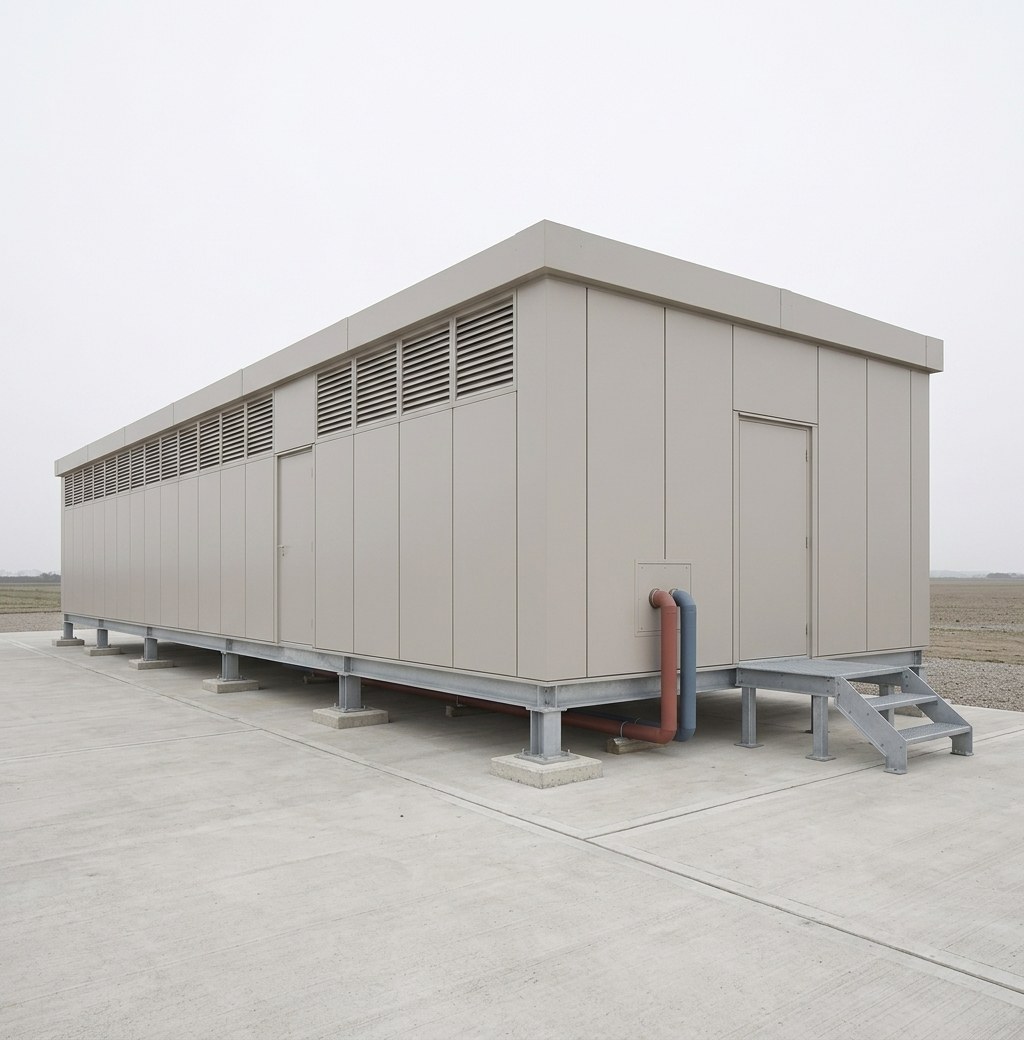
The same machine that makes warm water also makes chilled water at 45°F (7°C), all year. We want to use it for a cold store and food processing beside the farm, rented to an operator, so food grown in Genoa can be kept, packed and sent on from here. It is not yet costed.
- Chilled water for cooling, straight from the site.
- Built by us and rented to the operator who runs it.